
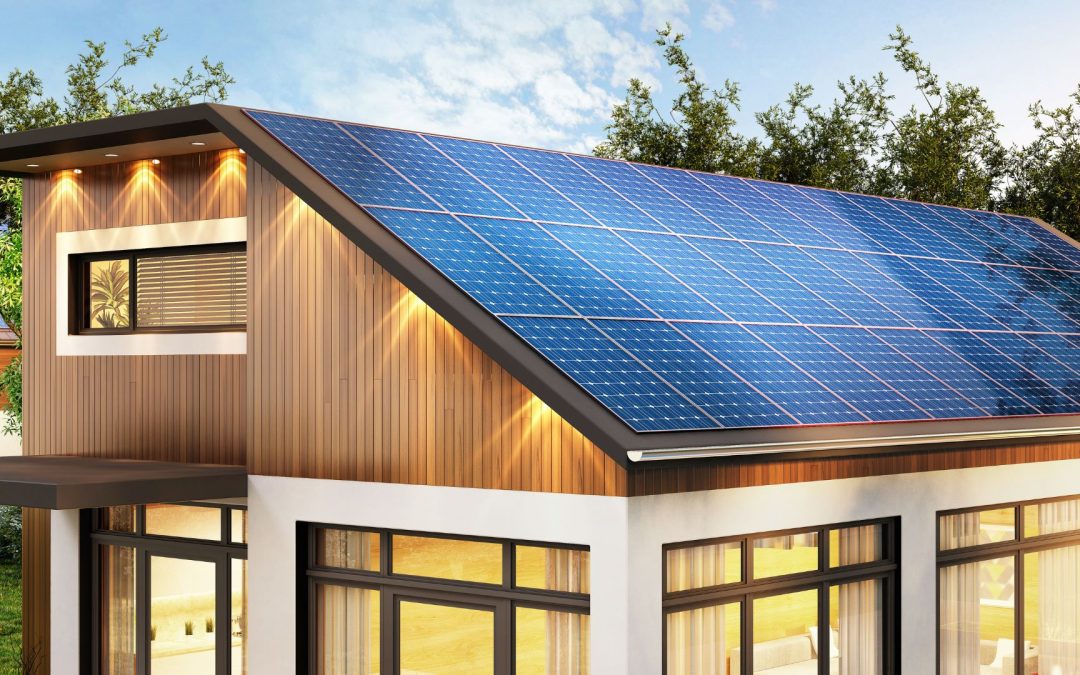
As we explore the landscape of solar roof technology, the horizon is ablaze with potential. Innovations in this field are steadily reshaping our approach to renewable energy. From lightweight materials to smart home integration, the possibilities seem limitless. The future holds a tapestry of advancements that could revolutionize how we harness the power of the sun. Let's investigate the domain of solar roofs and uncover the transformative journey that lies ahead.
Key Takeaways
- Advanced materials with high strength-to-weight ratios for seamless rooftop integration.
- Smart home technology integration for real-time monitoring and automated energy management.
- Cutting-edge energy storage solutions like lithium-ion, flow, and solid-state batteries.
- Nanotechnology for enhanced energy conversion rates and improved panel performance.
- Solar roofing tailored for urban landscapes, including building facades and limited space optimization.
Lightweight and Durable Solar Materials
We've developed cutting-edge lightweight and durable solar materials that revolutionize the efficiency and longevity of solar roof technology. Located in Huntington Beach, CA, our research and development team has engineered these advanced materials to withstand harsh weather conditions while maximizing energy production. By incorporating state-of-the-art polymers and composites, our solar panels boast a high strength-to-weight ratio, making them ideal for rooftop installations without compromising structural integrity.
The innovative design of our solar materials guarantees a seamless integration into existing roofing systems, providing a sleek and modern aesthetic for residential and commercial buildings alike. These materials aren't only efficient in converting sunlight into electricity but also have an extended lifespan, reducing the need for frequent maintenance and replacement. Our commitment to sustainability drives us to continuously improve our solar technology, pushing the boundaries of what's possible in the world of renewable energy solutions.
Integration With Smart Home Technology
Our lightweight and durable solar materials are seamlessly integrating with smart home technology, enhancing the efficiency and convenience of energy management systems. By connecting solar roof technology with smart home systems, homeowners can monitor and control their energy consumption in real-time, optimizing usage based on their specific needs and preferences.
Through smart meters and energy monitoring apps, users can track their energy production and usage, allowing for better decision-making regarding when to use stored energy or when to sell excess energy back to the grid. This integration also enables automated responses to changing energy prices, weather conditions, and grid demands, ensuring maximum cost savings and sustainability.
Moreover, the compatibility of solar roofs with smart home assistants like Amazon Alexa or Google Home allows for voice-activated control over energy systems, providing a hands-free and user-friendly experience. As technology continues to advance, the seamless integration of solar roofs with smart home technology promises a more efficient, sustainable, and intelligent energy management solution for homeowners.
Enhanced Energy Storage Solutions
The incorporation of advanced energy storage solutions in solar roof technology is revolutionizing the efficiency and reliability of residential energy systems. As we look towards the future, these innovations are essential for maximizing the benefits of solar energy.
Here are three key advancements in energy storage solutions:
- Lithium-ion Batteries: These batteries are becoming increasingly popular due to their high energy density, long lifespan, and rapid charging capabilities. They're ideal for storing excess energy generated by solar panels during the day for use during peak consumption times or at night.
- Flow Batteries: Flow batteries offer the advantage of scalability, making them suitable for both residential and commercial applications. By storing energy in liquid electrolytes, they provide a flexible and durable solution for long-term energy storage needs.
- Solid-State Batteries: This emerging technology offers higher energy density, improved safety, and longer cycle life compared to traditional lithium-ion batteries. Solid-state batteries have the potential to enhance the performance and longevity of energy storage systems in solar roofs, paving the way for more efficient and sustainable energy usage.
Increased Efficiency Through Nanotechnology
Nanotechnology advancements are revolutionizing the efficiency of solar roof technology by enhancing energy conversion rates and optimizing performance. By integrating nanomaterials into solar cells, we can greatly improve their ability to capture and convert sunlight into usable electricity. One key innovation lies in the use of quantum dots, which are tiny semiconductor particles that can be tuned to absorb specific wavelengths of light. This precise control allows for greater absorption of sunlight across the spectrum, leading to higher efficiency levels.
In addition, nanotechnology enables the creation of nanostructured surfaces that reduce reflection and enhance light trapping. These surfaces can minimize energy loss and increase the overall absorption of sunlight, further boosting the efficiency of solar roofs. Furthermore, the application of nanocoatings can improve the durability and lifespan of solar panels, ensuring long-term performance and reliability.
As we continue to explore the potential of nanotechnology in solar roof technology, we anticipate even greater advancements in efficiency and performance, bringing us closer to a future powered by sustainable energy sources.
Solar Roofing for Urban Landscapes
Utilizing advanced photovoltaic technology, solar roofing solutions tailored for urban landscapes are poised to revolutionize energy generation in densely populated areas. These innovative solar roofs are designed to meet the specific challenges and opportunities presented by urban environments.
- Integration with Building Facades: Solar roofing systems can now be seamlessly integrated into the facades of buildings, allowing vertical surfaces to harness solar energy efficiently.
- Optimization for Limited Space: Urban areas often have limited roof space, driving the development of solar solutions that maximize energy production within constrained footprints.
- Aesthetic Considerations: With a focus on urban design, solar roofs are being developed with aesthetics in mind to harmoniously blend with the surrounding architecture.
These advancements in solar roofing technology not only address the unique needs of urban landscapes but also contribute to the overall sustainability and resilience of cities by reducing reliance on traditional energy sources.
Frequently Asked Questions
Can Solar Roofs Withstand Extreme Weather Conditions?
Yes, solar roofs can withstand extreme weather conditions. Our advanced designs incorporate durable materials and robust construction techniques. We continually enhance our technology to guarantee resilience against harsh elements, providing long-lasting and reliable energy production.
How Does Smart Home Integration Affect Energy Consumption?
Integrating smart home features can optimize energy consumption by allowing us to monitor and control electricity usage remotely. This technology enables us to schedule appliances, lighting, and heating systems efficiently, enhancing overall energy efficiency.
What Advancements Have Been Made in Energy Storage for Solar Roofs?
We've witnessed remarkable progress in energy storage for solar roofs. Advances in battery technology, like increased capacity and efficiency, are transforming how we harness and store solar energy, paving the way for a sustainable future.
How Does Nanotechnology Improve Solar Panel Efficiency?
Nanotechnology enhances solar panel efficiency by enabling smaller, more precise structures that capture sunlight more effectively. By utilizing nanomaterials like quantum dots, we can improve light absorption and electron transport, ultimately boosting energy output.
What Are the Unique Challenges of Installing Solar Roofs in Urban Areas?
Installing solar roofs in urban areas presents challenges such as limited space, shading from surrounding buildings, and zoning restrictions. However, with advancements in solar technology and innovative installation techniques, we can overcome these obstacles effectively.
Conclusion
To sum up, the future of solar roof technology looks incredibly promising, with innovations that will revolutionize the way we harness renewable energy.
These advancements in lightweight materials, smart home integration, energy storage solutions, nanotechnology, and urban integration are paving the way for a more sustainable and efficient energy future.
The possibilities for solar roofs are endless, and we're excited to see the impact they'll have on our cities and our planet.