
When pondering the best roofing material for our homes, finding the right balance between cost and durability is vital. Rolled roofing offers an attractive option due to its affordability and straightforward installation process. However, before making a decision, it's important to compare its characteristics with other materials like metal or clay tiles. While rolled roofing may be a cost-effective choice, there are other factors to take into account that could impact the long-term value and protection of your home. Let's explore the key aspects that differentiate these materials to help us make an informed decision for our homes.
Key Takeaways
- Consider cost savings versus lifespan for rolled roofing compared to metal or asphalt shingles.
- Choose roofing material based on durability needs; metal or clay tiles offer longer lifespans.
- Installation simplicity of rolled roofing versus durability benefits of metal or clay tiles.
- Rolled roofing's limited aesthetic options versus the visual appeal of other materials for curb appeal.
- Minimal maintenance requirements for rolled roofing compared to other materials like metal or clay tiles.
Cost Comparison
When assessing rolled roofing in comparison to other materials, examining the cost is a crucial factor worth exploring. In Huntington Beach, CA, where the weather can be quite mild, rolled roofing is a popular choice due to its affordability.
Rolled roofing typically costs less upfront compared to materials like asphalt shingles or metal roofing. The installation costs are also lower because of the simplicity of the process, making it an attractive option for homeowners on a budget.
Although the initial cost of rolled roofing is lower, it's important to evaluate long-term expenses. While rolled roofing can last up to 10 years with proper maintenance in Huntington Beach's climate, other materials like metal roofing can have a longer lifespan, potentially reducing the overall cost over time.
Homeowners must weigh the upfront savings of rolled roofing against the potential higher costs of replacement sooner than with more durable materials.
Durability and Lifespan
Considering the longevity and resilience of different roofing materials is a crucial aspect when evaluating their suitability for a particular location like Huntington Beach, CA.
Rolled roofing, often made of materials like asphalt or bitumen, offers a moderate level of durability. While it can withstand moderate weather conditions and has a lifespan of around 5-10 years, it may not be the most durable option for areas prone to extreme weather events like hurricanes or heavy snowfall.
In comparison, other roofing materials such as metal or clay tiles have notably longer lifespans, often ranging from 30 to 100 years, depending on the material and maintenance. These materials are known for their superior durability and resistance to harsh weather conditions, making them more suitable for regions with varying climate challenges.
When considering durability and lifespan, it's crucial to weigh the initial cost of installation against the long-term benefits of a more durable roofing material to make an informed decision that suits the specific needs of your home in Huntington Beach, CA.
Installation Complexity
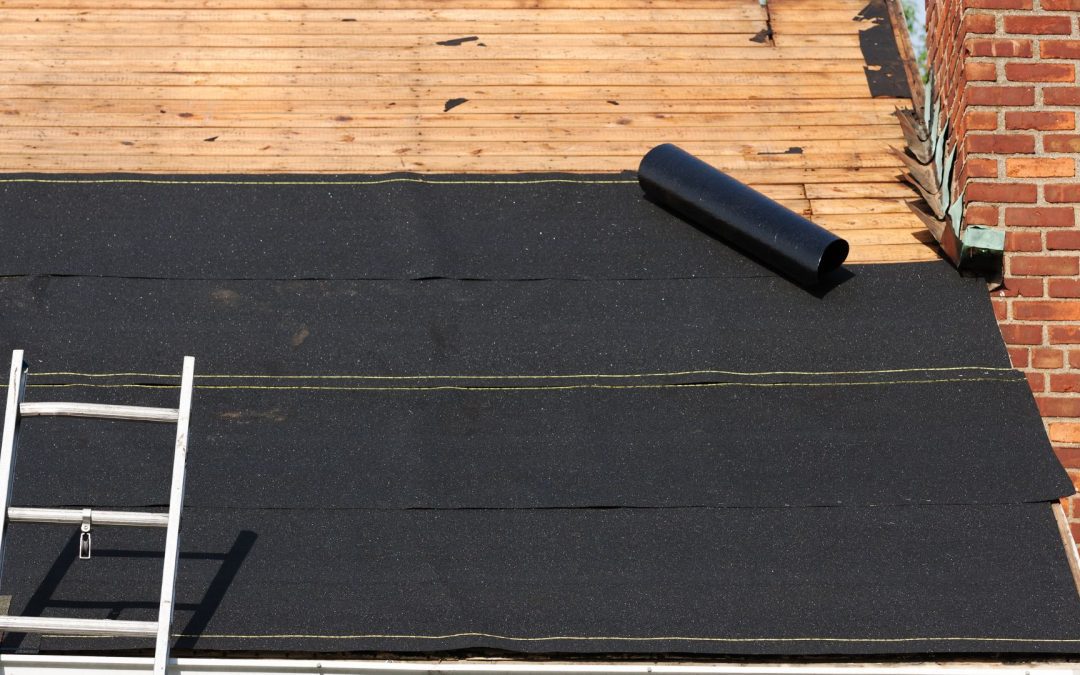
Installing rolled roofing involves carefully unrolling and securing the material in place, demanding precision and attention to detail to guarantee a proper installation. The process begins with preparing the roof surface by ensuring it's clean, dry, and smooth.
Next, the roofing felt is rolled out and cut to fit the dimensions of the roof. Adhesive or nails are then used to secure the material in place, starting from the bottom and working upwards. Overlapping the seams is essential to prevent leaks, requiring a meticulous approach. The edges and corners must be properly sealed to enhance water resistance.
Compared to other roofing materials like asphalt shingles or metal roofing, rolled roofing is generally considered less complex to install due to its flexible and lightweight nature. However, despite its relative simplicity, proper installation is key to ensuring the longevity and effectiveness of rolled roofing on your home.
Aesthetics and Curb Appeal
A roof's aesthetics and curb appeal can greatly impact the overall look and value of a property. When comparing rolled roofing with other materials regarding aesthetics, there are several key factors to take into account:
- Color Options: Rolled roofing typically comes in limited color choices compared to other roofing materials like asphalt shingles or metal roofing, which offer a wider range of colors to complement various home designs.
- Texture and Appearance: The texture of rolled roofing tends to be smoother and less varied compared to materials like cedar shakes or clay tiles, which can add dimension and visual interest to a roof.
- Architectural Style Compatibility: Some roofing materials are better suited for specific architectural styles. Rolled roofing may be more suitable for modern or industrial designs, while materials like slate or tile are often chosen for traditional or historic homes.
- Curb Appeal: The overall aesthetic impact of a roof on the curb appeal of a home is significant. While rolled roofing can provide a sleek and uniform look, other materials may offer a more striking or elegant appearance that enhances the overall appeal of the property.
Maintenance Requirements
When evaluating roofing materials, understanding the maintenance requirements becomes essential to guarantee long-term durability and performance. Rolled roofing typically requires minimal maintenance compared to other roofing materials. Regular inspections are recommended to check for any signs of damage, such as tears, cracks, or loose seams.
Cleaning the roof surface periodically can prevent the accumulation of debris that may lead to water pooling and potential leaks. It's important to keep gutters clear to ensure proper drainage and prevent water from backing up under the roofing material.
Unlike more complex roofing systems, rolled roofing is relatively easy to repair. Small tears or punctures can be patched with roofing cement or sealant. It's advisable to address any issues promptly to prevent them from escalating into larger problems that may require more extensive repairs.
Frequently Asked Questions
Can Rolled Roofing Be Installed Over Existing Shingles?
Yes, rolled roofing can be installed over existing shingles. It's crucial to make sure the existing shingles are in good condition and securely fastened. Proper installation techniques and appropriate materials will help maximize the longevity of the new roof.
Is Rolled Roofing Suitable for Flat Roofs?
Yes, rolled roofing is suitable for flat roofs. It provides a cost-effective and durable option for flat surfaces. Proper installation is important to prevent leaks. Regular maintenance can extend its lifespan. Consult a professional for best results.
How Does Rolled Roofing Perform in Extreme Weather Conditions?
In extreme weather conditions, rolled roofing can perform adequately if properly installed and maintained. It may withstand wind, rain, and moderate hail. Regular inspections and timely repairs are essential to guarantee its longevity and durability.
Can I Walk on Rolled Roofing Without Damaging It?
Yes, we can walk on rolled roofing without damaging it if done correctly. Distribute weight evenly, avoid sharp objects, and wear soft-soled shoes. Taking precautions will help prevent unnecessary harm to the roofing material.
Does Rolled Roofing Require Special Ventilation or Insulation?
Yes, rolled roofing typically requires proper ventilation and insulation to prevent issues such as moisture buildup and heat loss. Adequate ventilation helps regulate temperature and moisture levels, while insulation improves energy efficiency and overall performance.
Conclusion
To sum up, when selecting the appropriate roofing material for your home, consider your budget, climate, and priorities.
Rolled roofing may be like a reliable sedan, offering affordability and ease of installation. However, if you're looking for the longevity and strength of a luxury SUV, metal or clay tiles might be the better choice.
Ultimately, weigh the pros and cons of each option to make the best decision for your home.