
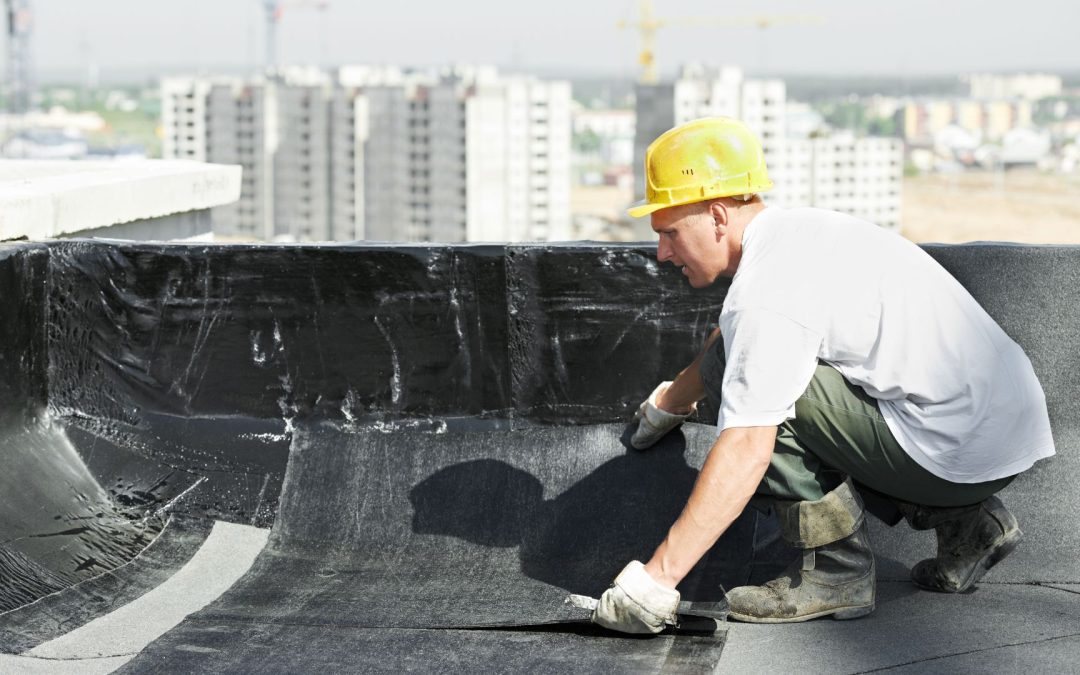
When it comes to the domain of energy efficiency and sustainability in construction, the impact of built-up roofing cannot be overlooked. The choice of roofing material holds the potential to transform a building's eco-footprint greatly. In this discussion, we will uncover the intricate ways in which built-up roofing impacts not only energy efficiency but also the broader landscape of sustainable building practices. From cost-effective measures to eco-conscious decisions, the implications of opting for this roofing solution are profound. Let's discover how built-up roofing can shape the future of sustainable architecture.
Key Takeaways
- Built-up roofs enhance energy efficiency by reducing heat absorption and maintaining indoor temperatures.
- Environmental impact analysis is crucial for understanding the sustainability of materials used in built-up roofs.
- Cost savings are achieved through minimal maintenance, longevity, and reduced heating and cooling expenses.
- Sustainability factors include waste reduction, recyclable materials, and greenhouse gas emission reduction.
- Maintenance tips like regular inspections and proper installation maximize the lifespan of built-up roofs.
Energy Efficiency Benefits
Enhancing the energy efficiency of built-up roofing systems is essential for reducing overall energy consumption in buildings. In Huntington Beach, CA, where temperatures can soar, having an energy-efficient built-up roof is vital. These roofs consist of multiple layers of bitumen, reinforcing fabrics, and a top layer of gravel or asphalt, providing excellent insulation and durability.
The reflective properties of the gravel or asphalt on built-up roofs help to reduce heat absorption, keeping the building cooler and lowering the demand for air conditioning. Additionally, the insulation provided by the multiple layers helps maintain a consistent indoor temperature, reducing the need for heating in colder months.
Environmental Impact Analysis
The insulation and reflective properties of built-up roofs not only contribute to energy efficiency but also warrant a detailed environmental impact analysis to assess their sustainability.
When evaluating the environmental impact of built-up roofing systems, key factors come into play. The materials used in the construction of these roofs, such as asphalt, gravel, and modified bitumen, have varying degrees of environmental impact regarding extraction, manufacturing, and end-of-life disposal. Additionally, the energy efficiency benefits of built-up roofs, including reduced heat absorption and lower cooling demands, must be weighed against the environmental costs associated with their production and installation.
Moreover, the lifespan of built-up roofs, which can range from 15 to 30 years depending on maintenance and climate conditions, impacts their overall environmental footprint. Understanding the environmental implications of built-up roofing systems is essential for making informed decisions that balance energy efficiency gains with sustainability goals.
Cost Savings Considerations
When evaluating the cost savings considerations of built-up roofing systems, a thorough analysis of initial investment versus long-term benefits is essential. Built-up roofing, or BUR, may require a higher upfront cost compared to some other roofing systems due to the labor-intensive installation process and materials involved. However, the durability and longevity of BUR can result in significant cost savings over its lifespan.
One key cost-saving aspect of BUR is its minimal maintenance requirements. Properly installed and maintained BUR systems can last for decades with routine inspections and minor repairs, reducing the need for frequent and costly replacements. Additionally, the thermal performance of BUR can contribute to energy savings by providing better insulation and reducing heating and cooling costs.
Furthermore, the reflective properties of certain BUR materials can help lower cooling expenses by reducing heat absorption, especially in warmer climates. These factors combined make built-up roofing a cost-effective choice in the long run, providing a solid return on investment for building owners.
Sustainability Factors to Consider
In light of the environmental impact and resource conservation, evaluating the sustainability factors of built-up roofing systems is essential for making informed decisions regarding roofing materials. One important aspect to take into account is the longevity of the roofing system. Built-up roofs are known for their durability and ability to withstand various weather conditions, reducing the need for frequent replacements and minimizing waste generation. Additionally, the materials used in built-up roofing systems, such as gravel, asphalt, and modified bitumen, are often recyclable at the end of their lifespan, contributing to a more sustainable construction industry.
Another sustainability factor to bear in mind is the energy efficiency of built-up roofing. These systems provide excellent insulation properties, reducing the energy consumption required for heating and cooling buildings. By minimizing the need for constant temperature regulation, built-up roofs can lower greenhouse gas emissions and decrease the overall carbon footprint of a structure. Moreover, the reflective surfaces of some built-up roofing materials help to mitigate the urban heat island effect, promoting a more sustainable urban environment.
Maintenance and Longevity Tips
Our approach to enhancing the maintenance and longevity of built-up roofing systems involves implementing proactive care strategies and innovative materials selection. Regular inspections are essential to identify and address potential issues promptly. By conducting routine maintenance, such as clearing debris and ensuring proper drainage, we can prevent small problems from escalating into costly repairs. Coating applications can also help extend the lifespan of the roof by providing an extra layer of protection against UV rays and inclement weather.
Incorporating durable materials, such as high-quality bitumen and insulation, can greatly contribute to the longevity of the roofing system. Choosing materials with proven track records of performance and sustainability can enhance the overall resilience of the roof. Additionally, investing in proper installation by experienced professionals is vital for maximizing the lifespan of the built-up roofing system.
Frequently Asked Questions
Can Built-Up Roofing Systems Be Easily Integrated With Renewable Energy Solutions?
Yes, built-up roofing systems can seamlessly integrate with renewable energy solutions. Our team has found that these systems provide a stable foundation for solar panels, contributing to increased energy efficiency and sustainability in buildings.
How Do Built-Up Roofs Perform in Extreme Weather Conditions?
In extreme weather conditions, built-up roofs exhibit resilience and durability. They effectively withstand harsh elements like heavy rain, strong winds, and snow loads. Their robust design guarantees long-lasting protection for buildings, making them a dependable choice.
Are There Any Government Incentives or Rebates for Installing Built-Up Roofing?
Yes, there are government incentives and rebates for installing built-up roofing. These programs encourage sustainable practices and energy efficiency. It's important to research and take advantage of these opportunities to save costs and promote environmental responsibility.
What Are the Disposal Options for Old Built-Up Roofing Materials?
When disposing of old built-up roofing materials, we must prioritize eco-friendly methods. Recycling or repurposing materials helps reduce waste and benefits the environment. Proper disposal not only clears space but also contributes to sustainability efforts.
Do Built-Up Roofs Require Specialized Contractors for Installation and Repairs?
Yes, built-up roofs require specialized contractors for installation and repairs due to their complex layering system. We must guarantee proper adhesion and waterproofing to maintain durability and longevity. Expertise in handling multiple materials is essential.
Conclusion
To sum up, built-up roofing offers a myriad of benefits for energy efficiency and sustainability in buildings. With its ability to reflect heat, provide insulation, and reduce overall energy consumption, these roofs are a smart choice for environmentally conscious building practices.
When considering the long-term cost savings, minimal maintenance requirements, and sustainability factors such as recyclability, built-up roofing emerges as a practical and eco-friendly solution. As the saying goes, 'A stitch in time saves nine.'