
As we explore the world of standing seam metal roofing profiles, one can't help but appreciate the array of options available and how they seamlessly blend with different architectural styles. From modern designs exuding sophistication to traditional styles that evoke timeless elegance, each profile has its distinctive charm. But how does one navigate this sea of choices to find the perfect fit for a residential or commercial project? Stay tuned as we uncover the key factors that influence the selection process and reveal invaluable tips to guarantee a harmonious marriage between form and function in your next roofing endeavor.
Key Takeaways
- Consider architectural style: Modern profiles with concealed fasteners suit contemporary designs.
- Choose traditional profiles: Scalloped or symmetrical designs complement Colonial and Victorian styles.
- Opt for industrial profiles: Sleek lines and durability match industrial aesthetics.
- Evaluate climate: Select profiles based on wind and snow load requirements.
- Factor in roof slope: Ensure appropriate profile selection and thermal movement considerations.
Standing Seam Metal Roofing Profiles Overview
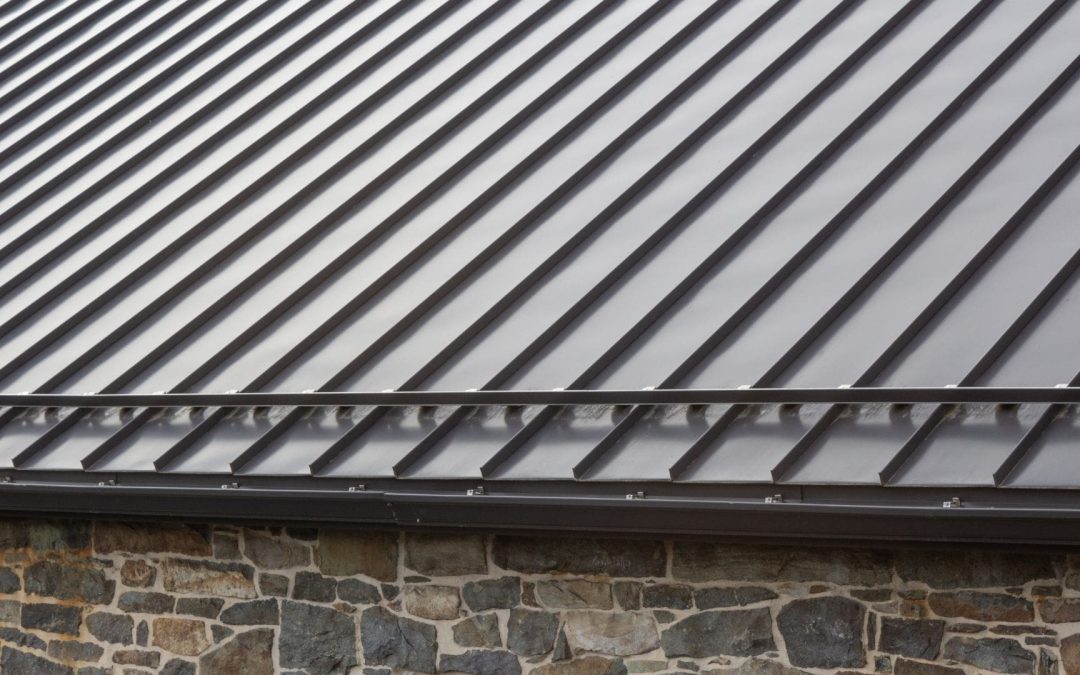
Standing seam metal roofing profiles provide a durable and versatile option for residential and commercial buildings in Huntington Beach, CA. These profiles consist of vertical metal panels with raised seams that interlock to create a watertight seal. The standing seam design offers excellent protection against the elements, including heavy rain, strong winds, and even snow loads common in certain regions.
One of the key advantages of standing seam metal roofing is its longevity. With proper installation and maintenance, these roofs can last 50 years or more, outperforming many other roofing materials. In addition to their durability, standing seam metal roofs are also energy-efficient, reflecting sunlight to reduce cooling costs in warmer climates like Huntington Beach. The sleek, modern appearance of these roofs adds a contemporary touch to any architectural design, making them a popular choice for both residential and commercial projects in the area.
Modern Architectural Styles
In examining modern architectural styles, it becomes evident that the evolution of design trends plays an essential role in shaping the aesthetic appeal of buildings. Modern architecture often features clean lines, minimalistic designs, and a focus on functionality.
Standing seam metal roofing profiles that complement these styles typically include narrow, symmetrical ribs with concealed fasteners to maintain the sleek appearance. Additionally, flat pan profiles are popular in modern architecture due to their smooth surface and contemporary look.
The use of materials like aluminum or steel further enhances the modern aesthetic by providing durability and a variety of color options to suit different design preferences. Architects and designers often choose standing seam metal roofs for modern buildings to achieve a seamless integration of form and function, creating visually appealing structures that stand out in today's architectural landscape.
Understanding the design elements of modern architecture is essential when selecting the right standing seam metal roofing profile to complement the overall look and feel of a contemporary building.
Traditional Architectural Styles
Exploring traditional architectural styles reveals a rich tapestry of historical influences and design elements that have stood the test of time. Traditional architecture encompasses a variety of styles such as Colonial, Victorian, Georgian, and Mediterranean, each with distinct features that contribute to their timeless appeal.
When considering standing seam metal roofing for traditional architectural styles, it's important to select a profile that complements the overall aesthetics while providing the necessary functionality.
For traditional Colonial homes, a simple and symmetrical standing seam metal roof profile can enhance the classic facade. Victorian architecture, known for its intricate details and ornate decorations, pairs well with scalloped or diamond-shaped standing seam profiles to capture the essence of this era. Georgian architecture, characterized by balance and proportion, benefits from a standing seam roof with clean lines and minimal embellishments.
In Mediterranean-style buildings, curved or barrel vault standing seam metal roofing profiles can evoke the region's warmth and charm. Understanding the specific architectural elements of traditional styles is essential in choosing the right standing seam metal roof profile to harmonize with the overall design aesthetic.
Industrial Architectural Styles
Industrial architecture styles feature a utilitarian aesthetic that prioritizes functionality and structural efficiency over ornate embellishments. These styles often incorporate materials like steel, concrete, and glass to create a modern and minimalist look.
When choosing a standing seam metal roofing profile for industrial architectural styles, consider the following:
- Simplicity: Opt for standing seam profiles with clean lines and a sleek appearance to complement the industrial design aesthetic.
- Durability: Select profiles made from high-quality materials such as steel or aluminum to guarantee longevity and resistance to harsh industrial environments.
- Color Options: Choose profiles that offer a variety of color options to coordinate with the overall color scheme of the industrial building.
- Customization: Look for profiles that can be customized to fit unique architectural specifications, allowing for a seamless integration into the industrial design.
Tips for Selecting the Right Profile
When determining the right standing seam metal roofing profile, consider the specific requirements of the project to ensure top performance and aesthetic integration. Begin by evaluating the slope of the roof; lower slopes may require mechanical locking profiles to prevent water leakage, while steeper slopes can accommodate snap-lock profiles.
Next, assess the overall architectural style of the building. For modern designs, flat panels with concealed fasteners offer a sleek look, while buildings with a more traditional aesthetic may benefit from profiles that mimic the appearance of classic shingles or tiles.
Additionally, take into consideration the climate of the building's location. In areas prone to high winds or heavy snow loads, profiles with higher seam heights and stronger mechanical locking systems are advisable. For projects in regions with extreme temperatures, thermal movement considerations may require profiles with adequate allowance for expansion and contraction.
Frequently Asked Questions
Can Standing Seam Metal Roofing Be Installed on Curved Structures?
Yes, standing seam metal roofing can be installed on curved structures. The flexibility of the panels allows for seamless adaptation to various architectural designs. Proper planning and installation techniques are essential to guarantee a secure and aesthetically pleasing result.
Are There Eco-Friendly Options Available for Standing Seam Metal Roofs?
Yes, there are eco-friendly options available for standing seam metal roofs. We've researched and found that using recycled materials, like aluminum or copper, can greatly reduce environmental impact while providing durability and energy efficiency.
What Are the Maintenance Requirements for Standing Seam Metal Roofs?
Maintenance for standing seam metal roofs includes regular inspections, cleaning debris, checking for loose fasteners, and addressing any sealant issues promptly. We recommend scheduling professional inspections annually to guarantee longevity and peak performance.
Can Standing Seam Metal Roofs Be Customized With Unique Colors?
Yes, standing seam metal roofs can be customized with unique colors to match the aesthetic needs of different projects. This option allows for personalization and coordination with the overall design scheme, enhancing the visual appeal.
Are There Specific Profiles More Suitable for Extreme Weather Conditions?
There are specific standing seam metal roofing profiles designed for extreme weather conditions. These profiles often feature higher ribs, thicker gauges, and special locking mechanisms to enhance durability and weather resistance, making them ideal for challenging climates.
Conclusion
To summarize, the selection of the right standing seam metal roofing profile is essential for ensuring both functionality and aesthetic appeal in residential or commercial projects.
By considering factors such as roof slope, architectural style, climate, and load requirements, one can choose a profile that not only complements the design of the structure but also provides long-lasting durability.
The right choice will seamlessly blend with the architecture, creating a visually striking and structurally sound roofing solution.