
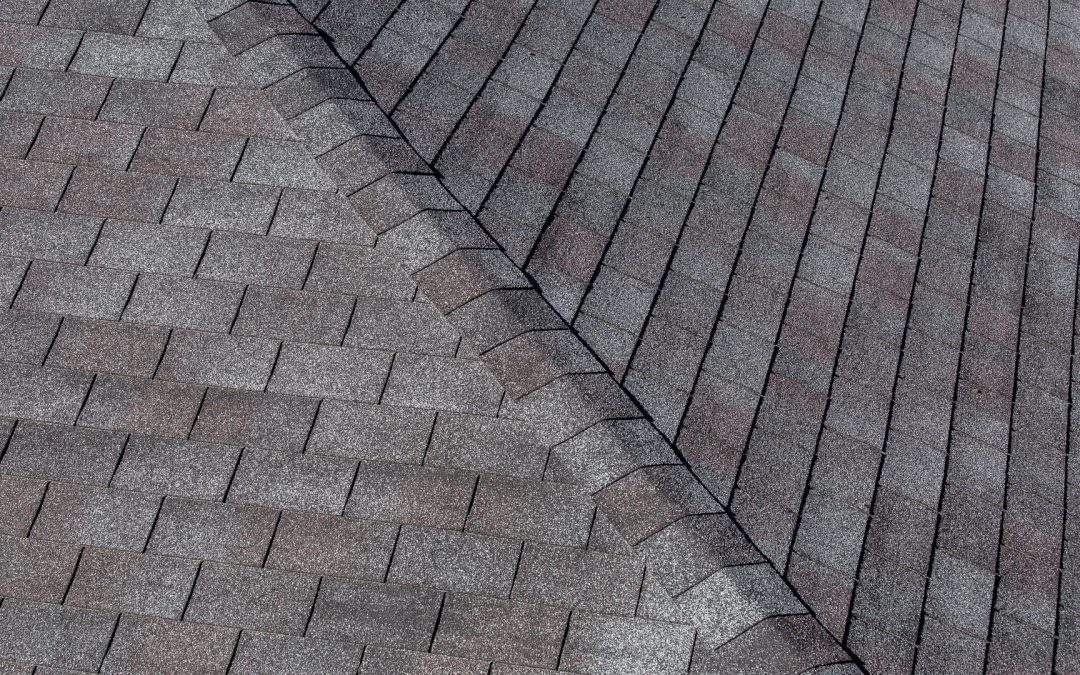
When considering the impact of asphalt roofing on the environment, one cannot overlook its far-reaching consequences. From contributing to the Urban Heat Island Effect and air pollution to compromising water quality and generating excessive waste, asphalt roofing poses a complex challenge that demands closer examination. As we explore the intricate web of environmental implications surrounding this common roofing material, it becomes evident that sustainable alternatives and responsible practices are essential in mitigating its adverse effects.
Key Takeaways
- Asphalt roofing contributes to urban heat island effect.
- Emissions from asphalt shingles increase air pollution.
- Asphalt roofs contribute to water pollution through runoff.
- Dark asphalt roofs raise cooling energy consumption.
- Asphalt roofing generates significant waste during installation and removal.
Urban Heat Island Effect
Studying the Urban Heat Island Effect reveals how asphalt roofing plays a major role in raising temperatures in urban areas. In Huntington Beach, CA, this phenomenon is particularly evident due to the prevalence of asphalt roofing in residential and commercial buildings. Asphalt roofing absorbs a significant amount of solar radiation during the day, leading to an increase in surface temperatures. As a result, urban areas with a high concentration of asphalt roofing experience elevated temperatures compared to surrounding rural areas. This temperature difference, known as the Urban Heat Island Effect, can have various impacts on the environment and public health.
Research conducted in Huntington Beach, CA, has shown that areas with extensive use of asphalt roofing exhibit higher daytime temperatures, affecting energy consumption patterns and exacerbating heat-related illnesses. By understanding the role of asphalt roofing in the Urban Heat Island Effect, policymakers and urban planners can develop strategies to mitigate its effects and create more sustainable and resilient cities.
Air Pollution
The impact of asphalt roofing on the Urban Heat Island Effect in urban areas like Huntington Beach, CA, extends to contributing to increased levels of air pollution. When asphalt shingles absorb heat, they raise the local temperature, leading to the formation of ground-level ozone and other air pollutants. Studies show that asphalt roofing materials release volatile organic compounds (VOCs) when exposed to sunlight, contributing to smog formation. The interaction between asphalt particles and sunlight can also lead to the production of secondary organic aerosols, further deteriorating air quality.
Additionally, roofing materials can act as reservoirs for various pollutants, such as heavy metals and polycyclic aromatic hydrocarbons (PAHs), which can be released into the air through processes like runoff and erosion. These pollutants have been linked to respiratory issues and other health concerns. Understanding the role of asphalt roofing in air pollution is vital for developing strategies to mitigate its environmental impact and improve air quality in urban areas.
Water Runoff
Water runoff from asphalt roofing surfaces poses a significant environmental concern due to its potential to carry pollutants into waterways. When rainwater flows over asphalt roofs, it can pick up various contaminants, such as heavy metals, oils, and debris, before entering the drainage system and eventually reaching rivers, streams, and oceans.
Key Points:
- Pollutant Transport: Asphalt shingles can release particles containing zinc, copper, and other chemicals when exposed to rainfall, which are then transported by runoff into water bodies, impacting aquatic ecosystems.
- Water Quality Impact: The pollutants carried by runoff from asphalt roofs can degrade water quality, affecting drinking water sources and harming aquatic life.
- Stormwater Management: High volumes of runoff from impermeable asphalt surfaces can overwhelm drainage systems, leading to flooding and further exacerbating the pollution of water bodies.
Understanding the implications of water runoff from asphalt roofing is essential for developing sustainable solutions to mitigate its adverse effects on the environment.
Energy Consumption
Runoff from asphalt roofs not only impacts water quality but also plays a significant role in the energy consumption associated with buildings. The dark color of asphalt absorbs heat, leading to increased cooling demands in warmer months. According to the Cool Roof Rating Council, traditional asphalt roofs can reach temperatures of up to 70°F above the ambient temperature.
The energy required to cool buildings with asphalt roofs can be substantial. Studies have shown that for every 1°F increase in roof temperature, there can be a 2% increase in cooling energy consumption. This means that buildings with asphalt roofs may consume more energy for cooling compared to those with reflective or lighter-colored roofs.
Additionally, the prolonged exposure of asphalt to sunlight can lead to degradation, reducing its insulating properties and further increasing the need for heating in colder climates. Taking into account these factors, the energy consumption associated with asphalt roofing is a critical consideration in the overall environmental impact of buildings.
Waste Generation
Investigating the disposal of materials from asphalt roofing applications reveals insights into waste generation within the construction industry.
1) The installation and removal of asphalt roofing result in significant waste generation, with old shingles, packaging materials, and offcuts contributing to the overall waste stream.
2) Proper waste management practices, such as recycling old shingles and segregating waste on-site, can help reduce the environmental impact of asphalt roofing projects.
3) Despite efforts to minimize waste generation, the construction industry still faces challenges in effectively managing and disposing of the waste produced during asphalt roofing projects.
Data shows that asphalt roofing waste constitutes a notable portion of construction-related waste, highlighting the importance of implementing sustainable waste management strategies. By analyzing waste generation patterns and identifying opportunities for improvement, stakeholders can work towards reducing the environmental footprint of asphalt roofing applications. Overall, addressing waste generation in the asphalt roofing sector is vital for promoting environmental sustainability in construction practices.
Frequently Asked Questions
How Does Asphalt Roofing Impact Local Wildlife?
Asphalt roofing can impact local wildlife through heat absorption, habitat disruption, and chemical runoff. Increased temperatures alter ecosystems, while runoff can contaminate water sources. Habitat destruction occurs during installation and maintenance, affecting biodiversity and ecosystem balance.
Can Asphalt Roof Materials Be Recycled?
Yes, asphalt roof materials can be recycled. The process involves collecting old roofing materials, breaking them down, and reusing the components. Recycling asphalt roofing helps reduce waste in landfills and conserves resources for a more sustainable future.
What Are the Long-Term Health Effects of Asphalt Roof Emissions?
Long-term health effects of asphalt roof emissions may include respiratory issues and skin irritation due to exposure to volatile organic compounds. Monitoring air quality near asphalt roofing can provide valuable data for public health assessments.
Are There Alternative Roofing Materials With Lower Environmental Impact?
Exploring roofing alternatives is important for reducing environmental impact. Various options, like metal, clay, or green roofs, offer lower emissions and longer lifespans. Evaluating each material's lifecycle impact guarantees sustainable choices for future construction.
How Does Asphalt Roof Runoff Affect Groundwater Quality?
Asphalt roof runoff can negatively impact groundwater quality by carrying pollutants like heavy metals, oil, and debris into the water system. Monitoring and mitigating these effects are essential for safeguarding our water resources.
Conclusion
To sum up, while asphalt roofing may seem like a common choice for urban areas, its environmental impact is far-reaching. From contributing to the Urban Heat Island Effect to polluting the air and water, the consequences are significant.
It's ironic that a material meant to protect buildings can harm the environment in so many ways. By exploring sustainable alternatives and improving waste management practices, we can work towards a greener future for our cities.