
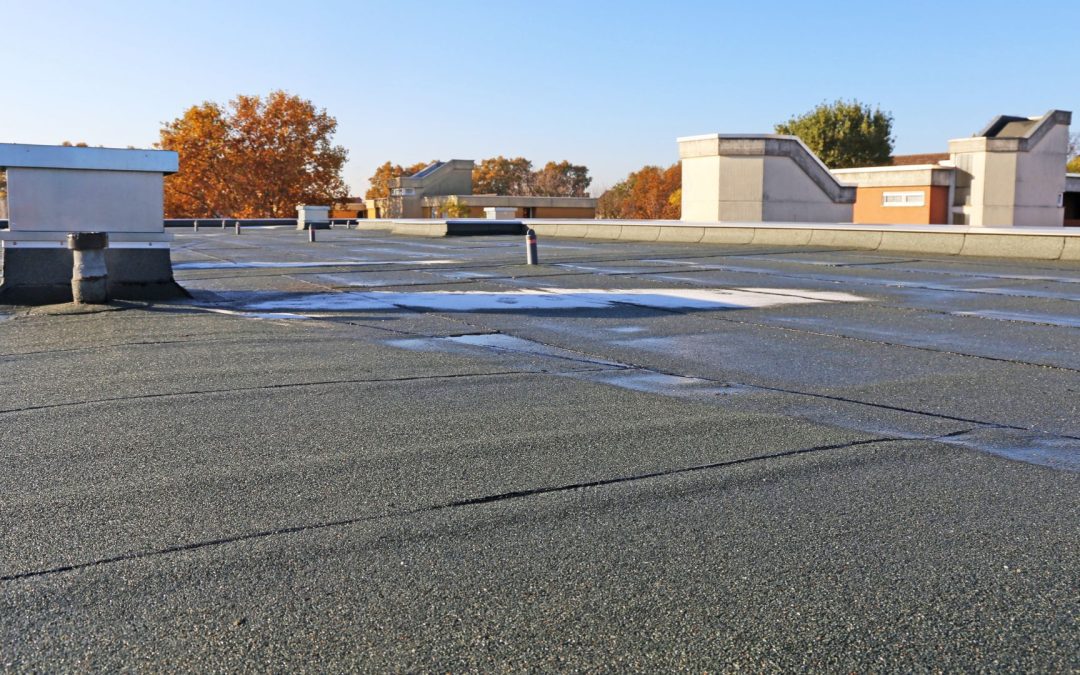
As we explore the world of built-up roofing, a intricate network of environmental considerations unfolds. The materials utilized, installation techniques employed, and maintenance practices adopted all play pivotal roles in shaping the ecological footprint of such roofing systems. However, the true impact of built-up roofing extends beyond these initial factors, delving into domains of waste management, recyclability, and sustainable innovations. By uncovering the interconnected network of environmental implications surrounding built-up roofing, we can begin to grasp the intricate balance between construction needs and environmental stewardship.
Key Takeaways
- Built-up roofing waste contributes significantly to landfill debris.
- Recycling offers a sustainable alternative to traditional disposal methods.
- Focus on recyclability reduces environmental impact and landfill waste.
- Sustainable practices like green roof installations decrease environmental impact.
- Efficient recycling programs increase waste diversion from landfills.
Materials Used in Built-Up Roofing
In built-up roofing, various materials are utilized to create a durable and weather-resistant surface. When considering built-up roofs in Huntington Beach, CA, common materials include bitumen, gravel, and ply sheets. Bitumen, a sticky and viscous form of petroleum, serves as the waterproofing agent in the built-up roof system. Gravel, often embedded in bitumen, provides protection from the sun's ultraviolet rays and helps to increase the roof's fire resistance. Ply sheets, typically made of fiberglass or organic mats saturated with bitumen, add strength and stability to the roof structure.
The choice of materials in built-up roofing is essential for ensuring longevity and performance. By combining these elements effectively, contractors in Huntington Beach, CA, can construct roofs that withstand varying weather conditions and provide excellent protection against water infiltration and other environmental factors. Understanding the role of each material in a built-up roof system is vital for maximizing its durability and weather resistance.
Installation Process and Energy Efficiency
Utilizing modern roofing techniques enhances the energy efficiency of built-up roofing systems. The installation process plays an essential role in determining the overall energy performance of a built-up roof. Proper installation techniques, such as ensuring the layers are applied correctly and securely bonded, can help minimize heat loss and air leakage, thereby improving the system's energy efficiency.
During the installation of a built-up roof, factors like insulation placement and the use of reflective coatings can greatly impact the roof's ability to maintain a stable indoor temperature. By incorporating these elements into the installation process, building owners can reduce the need for excessive heating or cooling, leading to lower energy consumption and operational costs.
Additionally, the incorporation of energy-efficient roofing materials and technologies during installation can further enhance the overall energy performance of built-up roofing systems. For instance, the use of cool roofing materials can help reflect sunlight and reduce heat absorption, ultimately decreasing the demand for air conditioning and lowering carbon emissions.
Maintenance Requirements and Longevity
Factors influencing the maintenance requirements and longevity of built-up roofing systems include the quality of materials used and adherence to recommended upkeep schedules. High-quality materials, such as premium bitumen and durable felts, can greatly extend the lifespan of a built-up roof. Regular inspections and maintenance, including addressing minor issues promptly, cleaning drains, and ensuring proper ventilation, are essential for maximizing longevity. Research indicates that well-maintained built-up roofing systems can last 20-30 years or more, making them a sustainable choice in regards to durability.
Studies have shown that neglecting maintenance can lead to premature deterioration, leaks, and ultimately, the need for costly repairs or replacements. By contrast, proactive care and periodic assessments by trained professionals can help identify and address potential problems early on, thereby prolonging the life of the roof. Additionally, following manufacturer guidelines and industry best practices for maintenance can further enhance the performance and sustainability of built-up roofing systems over time.
Waste Generation and Disposal Methods
Effective management of waste generated from built-up roofing systems is crucial for ensuring environmental sustainability and regulatory compliance. The disposal of waste materials from roofing projects, such as asphalt, gravel, and felt, poses significant challenges due to their composition and volume. According to industry data, the disposal of built-up roofing waste accounts for a substantial portion of construction and demolition debris in landfills annually. Improper disposal methods can lead to environmental contamination, soil degradation, and potential health hazards.
To address these issues, various disposal methods are employed, including landfilling, recycling, and incineration. Landfilling is the most common method but raises concerns about space utilization and long-term environmental impact. Recycling options for roofing materials are increasing, offering a more sustainable alternative to traditional disposal methods. Incineration can be used for certain roofing materials but requires careful consideration of emissions and air quality regulations.
Recyclability and Sustainable Practices
How can the roofing industry enhance recyclability and implement sustainable practices to reduce environmental impact?
One key strategy is to focus on the recyclability of roofing materials. By using materials that are easily recyclable at the end of their life cycle, such as metal roofing or single-ply membranes, the industry can greatly reduce the amount of waste sent to landfills. Additionally, incorporating sustainable practices like using recycled materials in the manufacturing process can further decrease the environmental footprint of built-up roofing systems.
Another way to enhance recyclability is through the implementation of efficient recycling programs. By partnering with recycling facilities and educating contractors on the importance of recycling roofing materials, the industry can increase the amount of waste that's diverted from landfills. Moreover, promoting the use of sustainable practices, such as energy-efficient roofing systems and green roof installations, can help reduce the overall environmental impact of built-up roofing.
Frequently Asked Questions
Can Built-Up Roofing Be Customized to Match Different Architectural Styles?
Yes, built-up roofing can be customized to match various architectural styles. This flexibility allows for seamless integration with diverse building designs, enhancing aesthetic appeal while providing durable protection. Consult with professionals for tailored solutions.
Are There Any Health Concerns Associated With the Materials Used?
There are potential health concerns associated with some materials used in built-up roofing, such as volatile organic compounds (VOCs) that can have respiratory effects. Proper ventilation and choosing low-VOC materials are essential for minimizing health risks.
How Does Built-Up Roofing Impact Indoor Air Quality?
Built-up roofing can impact indoor air quality by releasing volatile organic compounds and potentially trapping moisture, leading to mold growth. Understanding these factors is essential for maintaining a healthy indoor environment in buildings.
What Measures Are Taken to Ensure Worker Safety During Installation?
Ensuring worker safety during installation involves rigorous training, proper equipment usage, and adherence to safety protocols. Despite challenges, prioritizing safety is non-negotiable. By implementing stringent measures, we safeguard our team's well-being.
Are There Any Eco-Friendly Alternatives to Traditional Built-Up Roofing Materials Available?
Yes, there are eco-friendly alternatives to traditional built-up roofing materials available. These alternatives aim to reduce environmental impact by utilizing sustainable resources and promoting energy efficiency. Research shows a growing interest in adopting these options.
Conclusion
To sum up, the environmental impact of built-up roofing can be greatly reduced through the use of high-quality, energy-efficient materials and sustainable practices.
By focusing on recyclability and proper maintenance, we can minimize waste generation and extend the lifespan of built-up roofs.
Let's work towards building a future where sustainability is the norm, not the exception. Together, we can make a difference for our planet and future generations.