
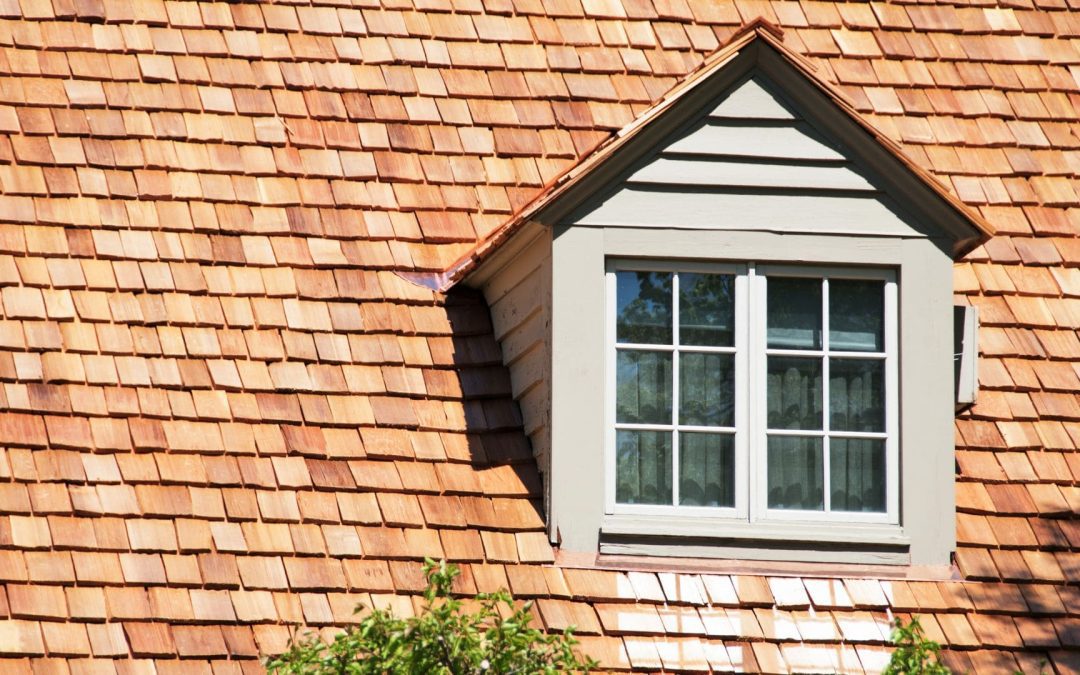
As we explore the world of roofing materials, weighing the pros and cons of cedar shake against its counterparts like asphalt shingles, metal roofing, slate roofing, clay tiles, and synthetic options introduces a complex web of considerations. Each material brings its own set of advantages and drawbacks to the table, prompting homeowners to ponder not just the initial cost but the long-term implications as well. The discussion surrounding a cost-benefit analysis of these roofing materials is multifaceted, requiring a careful examination of factors beyond mere aesthetics or price tags.
Key Takeaways
- Cedar shake offers a charming aesthetic but requires more maintenance than asphalt shingles.
- Metal roofing outlasts cedar shake in harsh weather conditions and is fire-resistant.
- Slate roofing lasts over 100 years with minimal maintenance, offering elegance and longevity.
- Clay tiles are more durable, lasting 50-100 years with enhanced protection against fire and rot.
- Synthetic roofing has a longer lifespan, requires minimal upkeep, and is often more environmentally friendly.
Cedar Shake Vs Asphalt Shingles
When comparing cedar shake and asphalt shingles in Huntington Beach, CA, homeowners often ponder which roofing material offers better durability and longevity. Cedar shake roofs, crafted from natural cedar wood, provide a charming aesthetic appeal that blends seamlessly with the coastal vibe of Huntington Beach.
However, when it comes to longevity, asphalt shingles tend to have a slight edge over cedar shake.
In the salty air of Huntington Beach, cedar shake roofs are prone to decay and mold growth over time, requiring regular maintenance to prevent deterioration. On the other hand, asphalt shingles are more resistant to the coastal climate's challenges, offering better durability and longevity with minimal upkeep.
While cedar shake roofs may require replacement sooner due to weathering, asphalt shingles can withstand the elements for a longer period, making them a more practical choice for homeowners seeking longevity and cost-effectiveness in their roofing materials.
Cedar Shake Vs Metal Roofing
In comparing cedar shake to metal roofing, our analysis reveals distinctive characteristics that impact their performance and longevity in various climates.
Cedar shake offers a traditional, rustic look that blends well with natural surroundings, while metal roofing provides a modern, sleek appearance.
When it comes to durability, metal roofing tends to outlast cedar shake, especially in regions prone to harsh weather conditions like heavy snowfall or high winds. Metal roofs are also fire-resistant and require minimal maintenance compared to cedar shake, which needs regular upkeep to prevent issues like rot or insect damage.
On the other hand, cedar shake offers better insulation properties, making it ideal for areas with extreme temperature fluctuations.
While metal roofing may have a higher upfront cost, it can be a cost-effective long-term investment due to its longevity and energy efficiency.
Ultimately, the choice between cedar shake and metal roofing depends on factors such as climate, budget, and desired aesthetic appeal.
Cedar Shake Vs Slate Roofing
Comparing cedar shake to slate roofing reveals distinct differences in their characteristics and performance, particularly in relation to longevity and aesthetic appeal. Cedar shake roofs typically last around 20-30 years, requiring regular maintenance to prevent issues like moss growth and rot. In contrast, slate roofs are known for their exceptional durability, with a lifespan that can exceed 100 years when properly maintained. While cedar shake offers a rustic and natural look that ages beautifully over time, slate roofing provides a more elegant and sophisticated appearance that can enhance the overall aesthetic of a home.
In terms of cost, cedar shake roofs are generally more affordable upfront compared to slate roofs, making them a budget-friendly option for homeowners. However, when considering the long-term investment, slate roofing's longevity and minimal maintenance requirements can make it a cost-effective choice in the grand scheme of things. Ultimately, the decision between cedar shake and slate roofing will depend on factors such as budget, desired aesthetic, and long-term maintenance considerations.
Cedar Shake Vs Clay Tiles
Cedar shake and clay tiles exhibit distinct differences in their characteristics and performance when used as roofing materials.
While cedar shake offers a natural, rustic appearance and excellent insulating properties, clay tiles are known for their durability and low maintenance requirements. Cedar shake roofs can last around 20-40 years with proper maintenance, while clay tile roofs have a lifespan of 50-100 years, making them a longer-lasting option.
In terms of cost, cedar shake roofs are generally more affordable upfront compared to clay tiles. However, clay tiles' longevity often makes them a cost-effective choice in the long run due to their minimal need for repairs and replacements. Additionally, clay tiles are more resistant to fire, insects, and rot than cedar shake, providing enhanced protection for the home.
Both cedar shake and clay tiles offer unique aesthetic qualities that can complement various architectural styles. The decision between the two ultimately depends on factors such as budget, desired lifespan, maintenance preferences, and aesthetic preferences.
Cedar Shake Vs Synthetic Roofing
When evaluating roofing materials, synthetic options present an intriguing alternative to cedar shake due to their unique characteristics and performance attributes. Synthetic roofing materials, such as synthetic slate or rubber shingles, offer a range of benefits that can rival traditional cedar shake. One key advantage of synthetic roofing is its durability; these materials are often designed to withstand harsh weather conditions, resist mold and algae growth, and have a longer lifespan compared to cedar shake. Additionally, synthetic roofing is typically more lightweight than cedar shake, which can reduce stress on the roof structure and make installation easier.
Another factor to take into account is the maintenance requirements of synthetic roofing compared to cedar shake. While cedar shake may require regular maintenance such as sealing, staining, or replacement of damaged shingles, synthetic roofing often requires minimal upkeep, saving both time and money in the long run. Furthermore, synthetic roofing materials can be more environmentally friendly, as they're often made from recycled materials and are recyclable themselves.
Frequently Asked Questions
Are Cedar Shakes Eco-Friendly Compared to Other Roofing Materials?
Yes, cedar shakes are eco-friendly compared to other roofing materials. They are biodegradable, renewable, and have a lower carbon footprint. Additionally, cedar provides natural insulation, reducing energy consumption. Overall, cedar shakes are a sustainable roofing option.
How Does the Maintenance of Cedar Shakes Differ From Other Materials?
Maintaining cedar shakes involves regular inspections, cleanings, and occasional treatments to preserve their beauty and durability. Compared to other materials, such as asphalt shingles or metal roofs, cedar shakes may require more attention but offer a unique aesthetic.
Can Cedar Shakes Withstand Extreme Weather Conditions Better Than Alternatives?
Yes, cedar shakes can withstand extreme weather conditions better than some alternatives due to their natural durability and resistance to elements. Proper installation and maintenance play essential roles in maximizing their longevity and performance.
Do Cedar Shakes Offer Better Insulation Compared to Other Roofing Options?
Yes, cedar shakes offer good insulation due to their natural properties. They provide an effective barrier against heat transfer, helping maintain interior temperatures. This can lead to energy savings and enhanced comfort, making cedar shakes a solid choice for roofing.
What Is the Lifespan of Cedar Shakes Compared to Other Materials?
Cedar shakes typically last around 20 to 40 years, depending on maintenance and climate. Comparatively, asphalt shingles have a lifespan of 15 to 30 years, while metal roofs can endure 40 to 70 years.
Conclusion
To sum up, when comparing cedar shake to other roofing materials, it's crucial to take into account the long-term cost-benefit analysis.
While cedar shake roofs offer a charming rustic look, they necessitate more maintenance and have a shorter lifespan compared to alternatives like metal, slate, clay, and synthetic options.
Surprisingly, studies show that cedar shake roofs may end up costing homeowners up to 50% more over their lifetime due to maintenance and replacement needs.
Make an informed decision based on durability and upkeep requirements.