
When it comes to the safety and protection of our homes, sometimes the condition of our roof can be a matter of utmost importance. Imagine this: your roof, the shield that guards against the elements, showing signs of wear and tear. But what exactly are these signs that hint at a potential roof replacement? Let's explore the subtle hints and not-so-subtle warnings that your roof might be giving you, urging you to take a closer look and make informed decisions for your home's future.
Key Takeaways
- Look for missing or damaged shingles like cracks, curls, or granule loss.
- Investigate water stains on ceilings to prevent structural damage.
- Address sagging roof decks promptly to avoid leaks and insulation issues.
- Check for visible light in the attic to prevent water damage and mold.
- Consider the age of roofing material for potential replacement needs.
Missing or Damaged Shingles
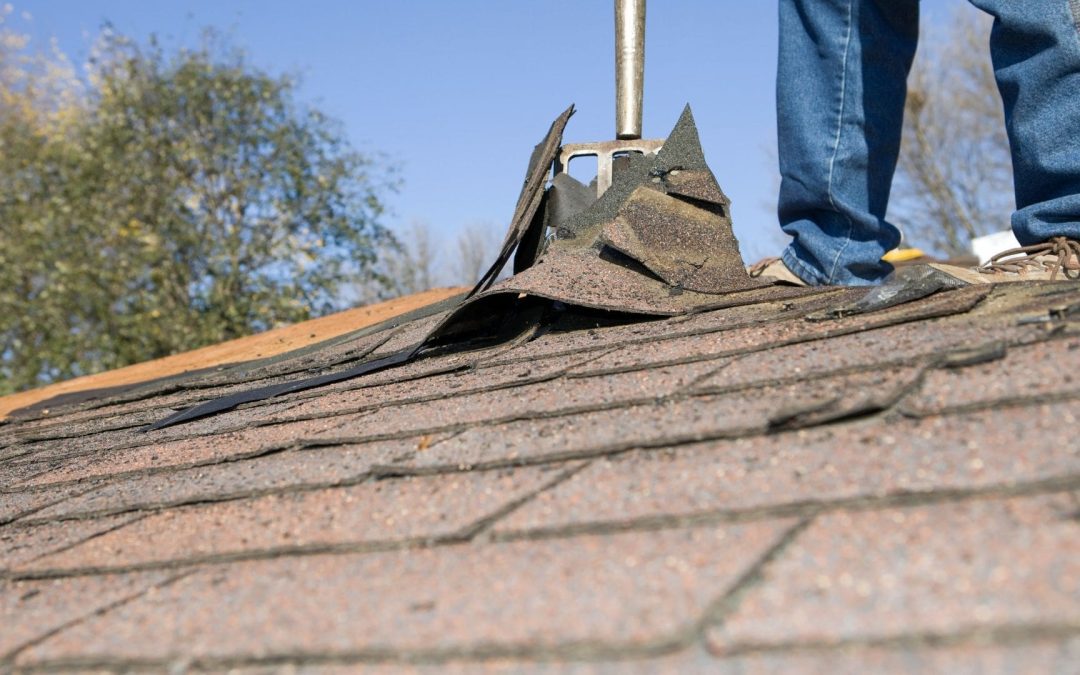
When inspecting your roof in Huntington Beach, CA, one of the critical issues to watch out for is missing or damaged shingles. Damaged shingles can compromise the integrity of your roof, leading to leaks and other costly issues. If you notice any missing shingles or ones that are cracked, curling, or showing signs of granule loss, it may be time to contemplate a roof replacement.
In Huntington Beach, CA, where the weather can be unpredictable with its sunny days and occasional storms, having a sturdy roof is essential to protect your home. Missing or damaged shingles expose your roof to water damage, which can ultimately result in water stains on your ceilings and even structural damage if left unaddressed.
Therefore, if you see any signs of damaged shingles on your roof in Huntington Beach, CA, it's advisable to consult with a professional roofer to assess the extent of the damage and determine if a roof replacement is necessary for the safety and longevity of your home.
Water Stains on Ceilings
Inspecting your roof in Huntington Beach, CA for missing or damaged shingles may reveal water stains on ceilings, indicating potential water damage that should be addressed promptly. Water stains on ceilings are a clear sign that water is infiltrating your home, possibly due to a leaky roof. These stains can vary in size and shape, appearing as discolored patches or rings on the ceiling. It's important to investigate the source of the water leakage by examining the attic and the roof to prevent further damage.
Water stains on ceilings can lead to more serious issues if left unattended. Besides damaging the ceiling itself, prolonged exposure to water can weaken the structural integrity of the roof and promote the growth of mold and mildew, posing health risks. Hence, if you notice water stains on your ceilings, it's advisable to consult a professional roofer to assess the extent of the damage and determine the necessary steps to address the underlying problem promptly.
Sagging Roof Deck
Addressing a sagging roof deck promptly is essential to maintaining the structural integrity of your home and preventing further damage. A sagging roof deck can indicate significant issues such as water damage, rot, or structural weaknesses. When the roof deck sags, it can lead to problems like roof leaks, compromised insulation, and even the risk of a roof collapse.
To assess if your roof deck is sagging, look for visible dips or areas where the roof appears to be lower than it should. You may also notice issues like cracked or warped roof decking materials. If you suspect a sagging roof deck, it's vital to consult with a professional roofer to evaluate the extent of the damage and determine the best course of action. Ignoring a sagging roof deck can result in costly repairs and potential safety hazards, so addressing it promptly is paramount for the well-being of your home.
Visible Light in Attic
When entering the attic space, one may notice streams of visible light filtering through gaps or openings in the roof or walls. These beams of light can indicate potential issues with the roof's integrity. Light entering the attic where it shouldn't suggests that there are openings or gaps in the roof structure that could allow water to seep in during rain or snow. It's crucial to inspect these areas carefully as they could lead to water damage, mold growth, and decreased energy efficiency.
To determine the source of the light, check for missing or damaged shingles, cracked flashing around chimneys or vents, or gaps along the roof edges. Even small openings can have significant consequences if left unaddressed. It's advisable to consult a roofing professional to assess the extent of the problem and recommend the necessary repairs or a roof replacement if the damage is extensive. Ignoring visible light in the attic can result in costly repairs down the line.
Age of Roofing Material
The importance of roofing material longevity plays a pivotal role in the overall condition and performance of your roof. As roofing materials age, they're subjected to various elements like sunlight, rain, wind, and temperature fluctuations that can cause deterioration over time. Different roofing materials have varying lifespans; for instance, asphalt shingles typically last around 20-30 years, while metal roofs can endure for 40-70 years. It's essential to take into account the age of your roofing material when evaluating the need for a replacement.
An older roof may exhibit signs of wear such as curling shingles, granule loss, or visible cracks. These indicators can point to a diminished ability to protect your home from water infiltration and other environmental factors. Additionally, older roofs may require more frequent repairs, increasing maintenance costs over time. If your roof is nearing or has surpassed its expected lifespan, it may be time to consult with a roofing professional to determine whether a replacement is necessary to maintain the integrity and safety of your home.
Frequently Asked Questions
Can I Install a New Roof Over the Existing One?
Yes, we can install a new roof over the existing one in certain situations. It's important to take into account factors like weight, structural integrity, and building codes. Consult with a professional roofer to make sure it's safe.
How Do I Know if My Roof Has Proper Ventilation?
To guarantee proper ventilation in your roof, we inspect intake vents near the eaves and exhaust vents near the ridge. This setup allows for air circulation, preventing moisture buildup and heat accumulation. Regular inspections and maintenance keep your roof healthy.
What Are the Best Roofing Materials for My Climate?
In our region, we find that asphalt shingles strike the perfect balance of durability and cost-effectiveness. Their versatility makes them a top choice, offering protection against various climates. Consider this option for your roofing needs.
Is It Possible to Repair a Sagging Roof Deck?
Yes, it is possible to repair a sagging roof deck. We recommend consulting with a professional roofer to assess the extent of the damage and determine the best course of action to guarantee the structural integrity of your roof.
Are There Any Eco-Friendly Roofing Options Available?
We've discovered numerous eco-friendly roofing options like solar tiles, green roofs, and metal roofs made from recycled materials. These choices not only benefit the environment but also offer durability and energy efficiency.
Conclusion
At the end of the day, evaluating the condition of your roof is essential for maintaining the integrity and safety of your home. Did you know that the average lifespan of a roof is about 20-25 years?
By keeping an eye out for signs such as missing shingles, water stains, and a sagging roof deck, you can proactively address any issues and prevent costly repairs in the future. Remember to consult with a professional roofer for a thorough evaluation and peace of mind.